Article
Mar 11, 2025
The Hidden Cost of Traditional Intercom Systems
A deeper look at the long-term expenses behind legacy intercom systems and why buildings are moving toward hardware-free access.
Introduction
Intercom systems have long been seen as a standard building requirement, but few property managers realize how much these systems cost over time. What begins as a routine installation often grows into a recurring cycle of repairs, replacements, and unexpected service calls. Understanding these hidden costs reveals why many buildings are shifting toward modern, hardware-free solutions.
The True Cost of Hardware-Based Access
Weather Exposure and Equipment Degradation
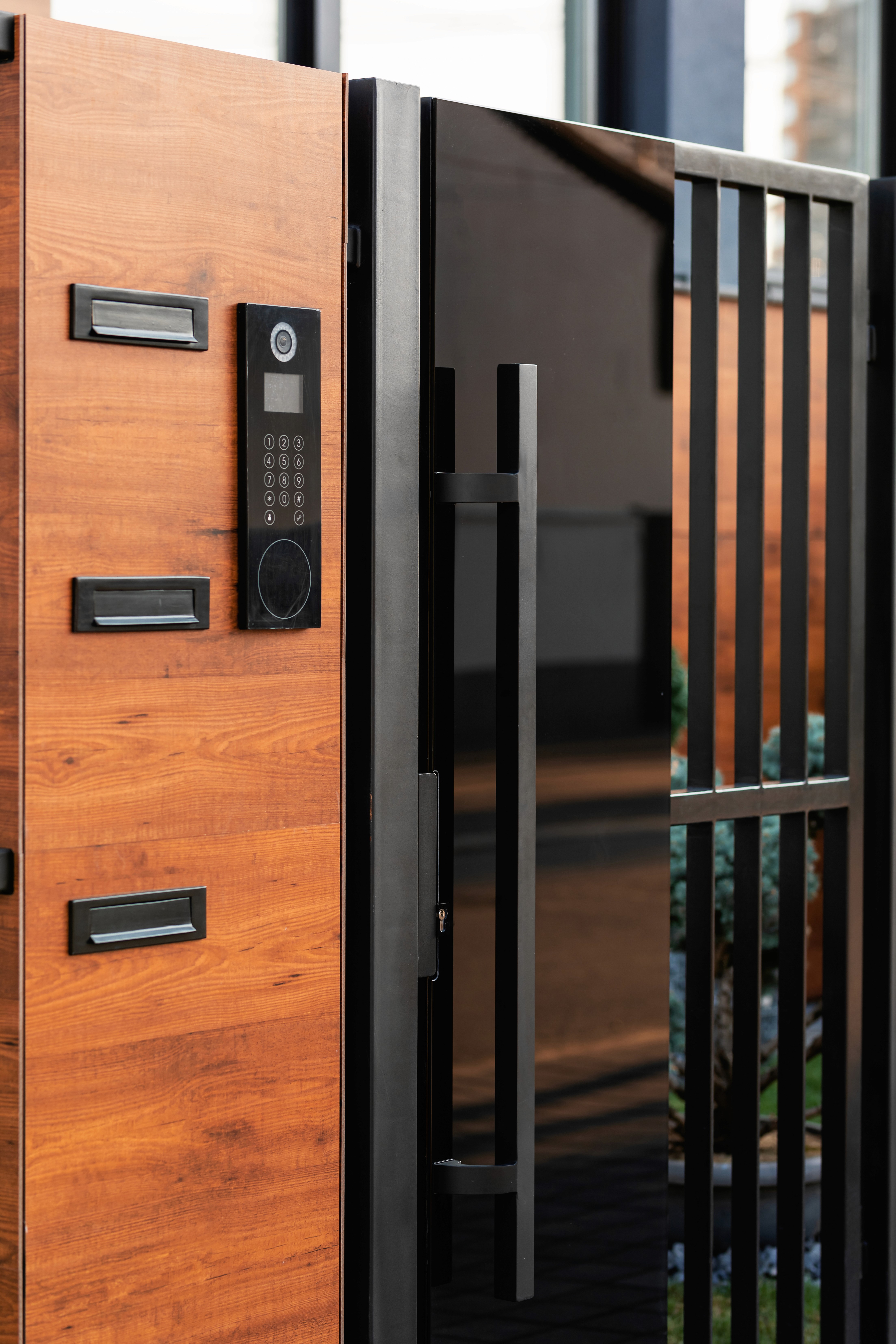
Exterior panels, wiring, and electronic components naturally deteriorate over time. Sun damage, moisture, and freezing temperatures contribute to failures that require regular servicing. Even the most durable hardware cannot avoid the slow decline caused by environmental factors.
Recurring Repair Cycles
Traditional systems often create an ongoing relationship with technicians. A panel malfunctions, a service call is booked, temporary stability returns, and another issue emerges months later. This cycle becomes a predictable but costly part of building operations.
The Financial Impact Property Managers Don't See Coming
Unexpected Repair and Replacement Bills
A single damaged panel can cost thousands to replace, especially if wiring is also affected. Over a building’s lifespan, these expenses accumulate into a significant budget line item that managers rarely anticipate.
Hidden Operational Costs
Beyond financial strain, traditional systems generate resident complaints, disrupt workflows, and divert management resources toward troubleshooting instead of higher-value tasks.
Why Hardware-Free Access Solves These Problems
Eliminating the Root Cause
Without external devices to break or degrade, hardware-free systems remove the most common source of intercom issues. Buildings experience greater reliability and predictability in both performance and cost.
A More Sustainable Operational Model
Cloud-based access updates, digital directories, and maintenance-free components create a stable, long-term solution that aligns with the expectations of modern buildings.
Conclusion
Traditional intercom systems carry more hidden costs than most buildings expect. By moving away from hardware-heavy designs, property managers gain a more reliable, cost-effective access strategy that reduces friction and supports long-term building health.